ACTIVE PROGRAMME

Expedition

Region

Tagline

Enter expedition →
A science-led expedition platform

Field science at the edge of the possible.

Traverse unites host nations, scientists, clinicians and educators in long-term field programmes for research, training, public engagement and measurable local impact.

03 · Future Chapters, In development
Scroll
// 01, About Traverse

What can humanity learn from the world's most challenging environments? The destinations change but the curiosity remains constant.

Traverse uses difficult, remote and culturally significant landscapes as living laboratories for medicine, human adaptation, resilience, wellbeing, environmental science, traditional knowledge, leadership and One Health.

The expedition journey is the vehicle. The legacy is the purpose.

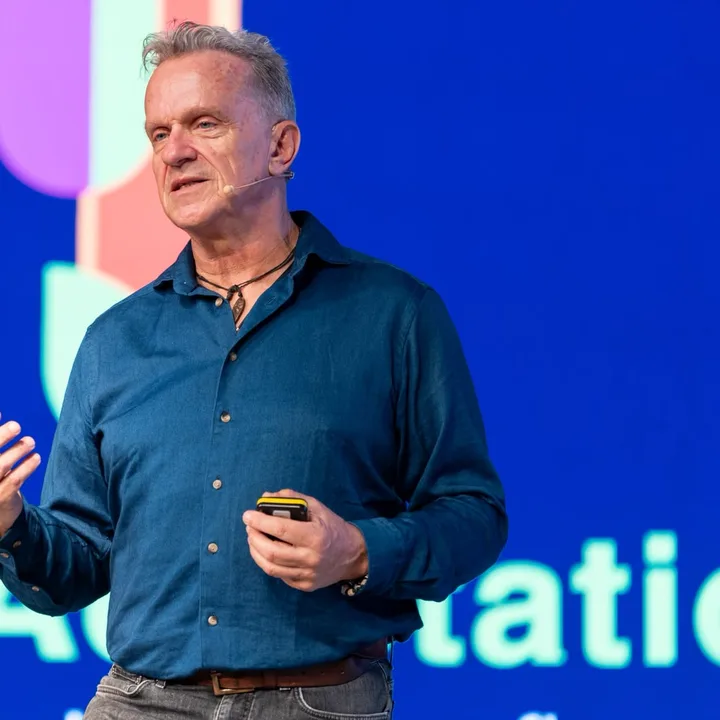
Professor Mark Hannaford speaking on stage
Field leadership

Professor Mark Hannaford DSc (hc), FRRHH FEWM

Founder, World Extreme Medicine · Co-founder, WEMfund · Founder, Traverse Expeditions

Originator of the modern concept of extreme medicine and founder of World Extreme Medicine, Mark has spent four decades in remote, austere and high-risk environments, training more than 20,000 clinicians across 40+ nations and, through WEMfund, helping deliver frontline trauma care alongside medics in eastern Ukraine. World Extreme Medicine is the credibility engine behind Traverse; Traverse takes that knowledge into the field.
Extreme medicineExpedition leadershipAustere environmentsClinical training
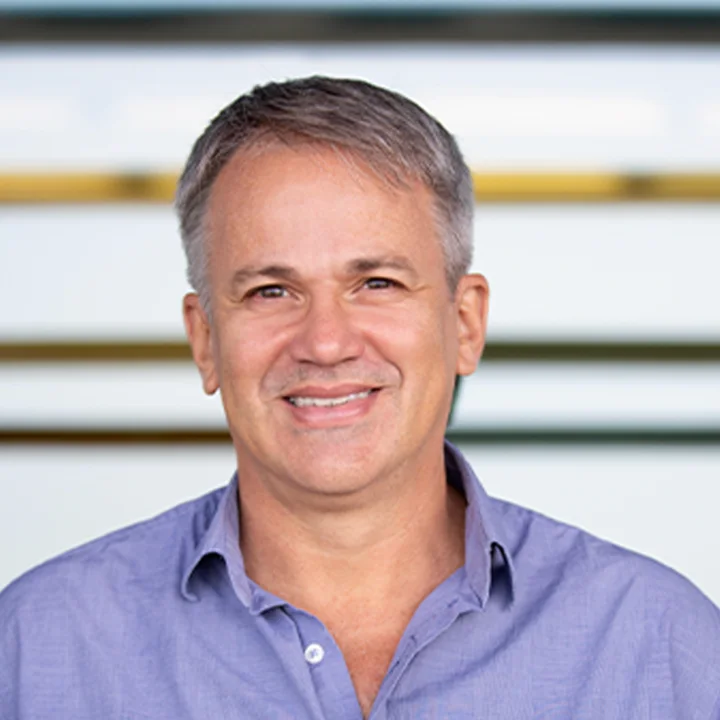
Professor Alexandre Soares Rosado
Microbial ecology

Professor Alexandre Soares Rosado Environmental Science and Engineering

KAUST · Biological and Environmental Science and Engineering Division

Professor Rosado is a microbial ecologist and Professor of Bioscience at KAUST, where he leads interdisciplinary research on microbial diversity, microbiome-based technologies and extremophiles. His work bridges classical microbiology and multiomics to develop microbial solutions for ecosystem restoration, human and planetary health, biotechnology and astrobiological applications.

Microbiome-based solutionsEnvironmental biotechnologySpace microbiologyExtremophiles
KAUST profile
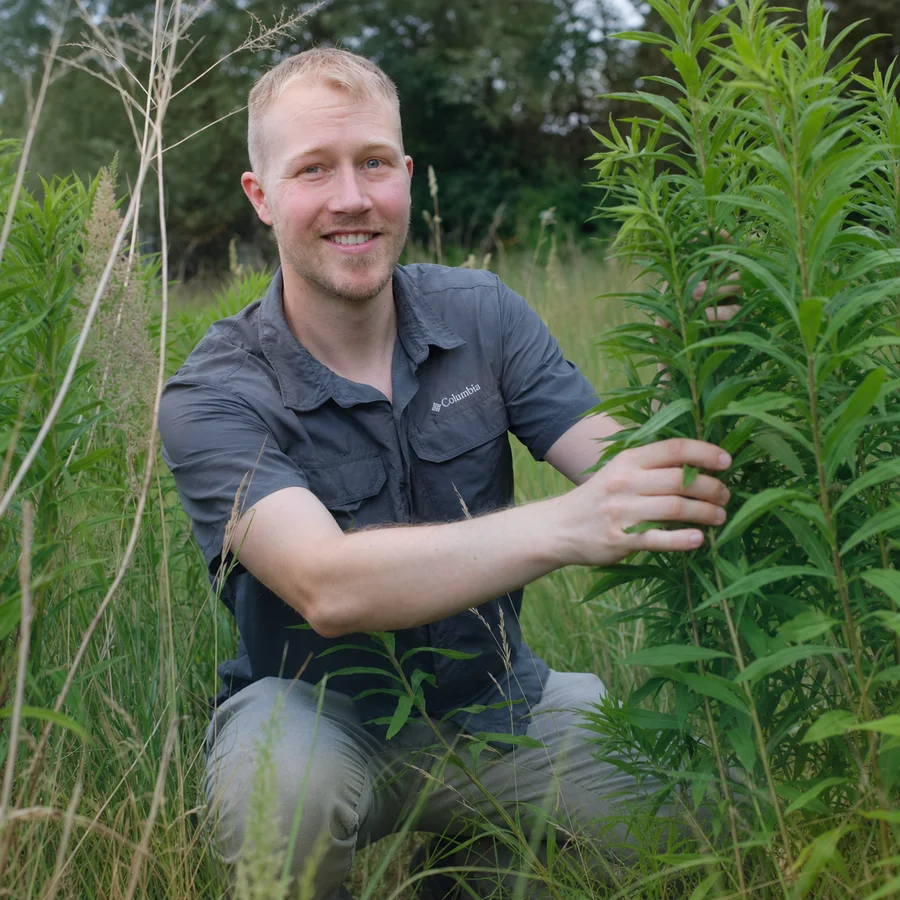
Dr. Fabien Schultz conducting field research among plants
Ethnopharmacology

Dr. Fabien Schultz Ethnopharmacology and Zoopharmacognosy

Research Group Head · Bernhard Nocht Institute for Tropical Medicine

Dr. Fabien Schultz is an ethnopharmacologist and explorer working at the intersection of traditional knowledge, animal self-medication, biodiversity and drug discovery. He leads the Ethnopharmacology & Zoopharmacognosy Research Group at the Bernhard Nocht Institute for Tropical Medicine, investigating how humans and wild animals use natural substances and translating those insights into potential therapeutics. His work with chimpanzees, elephants and mountain gorillas has earned a Fulbright Scholarship, two Explorers Club Flag Expeditions and the Explorers Club EC50 award.

Animal self-medicationTraditional knowledgeBiodiversityDrug discovery
Explorers Club profile
// 02, The protocol

Every Traverse project asks three questions.

Why this country?

What can we learn?

How do we share those lessons with the world?

// 03, Science & research

Expeditions as field research platforms.

Each location generates different scientific questions. Every programme is designed around serious scientific, educational and societal outcomes.

P·01

Extreme medicine

Clinical care where systems end, expedition, disaster, altitude and austere environments.

P·02

Human adaptation

Heat, altitude and endurance physiology measured in the field, not the lab.

P·03

Environmental resilience

Ecology, biodiversity and landscape change across desert, mountain and polar systems.

P·04

Microbiology & One Health

Extremophiles and the shared health of humans, animals and ecosystems.

P·05

Space & analogue environments

Desert operations as rehearsal for planetary exploration and remote care.

P·06

Traditional & modern medicine

Where centuries-old healing systems meet contemporary clinical evidence.

P·07

Remote healthcare systems

New models for delivering care beyond conventional infrastructure.

P·08

Leadership under pressure

Decision-making, teamwork and resilience studied in genuinely high-stakes settings.

P·09

Youth & STEM engagement

Live expedition science beamed into classrooms around the world.

// 04, Education & youth

Every expedition is a live classroom.

Traverse inspires future scientists, clinicians, explorers and conservation leaders, while the fieldwork is still happening.

E·01

Live school link-ups

Q&As and field science updates streamed directly from the expedition to classrooms worldwide.

E·02

STEM learning modules

Curriculum-linked resources built around real expedition data and genuine scientific questions.

E·03

Digital storytelling

VR/AR experiences and films that put young people inside the expedition.

E·04

Host-country youth engagement

Local students join the science in the field, building regional pride and scientific capacity.

// From the field

A record shaped by place.

Landscapes, field teams and living systems from earlier expeditions and research environments.

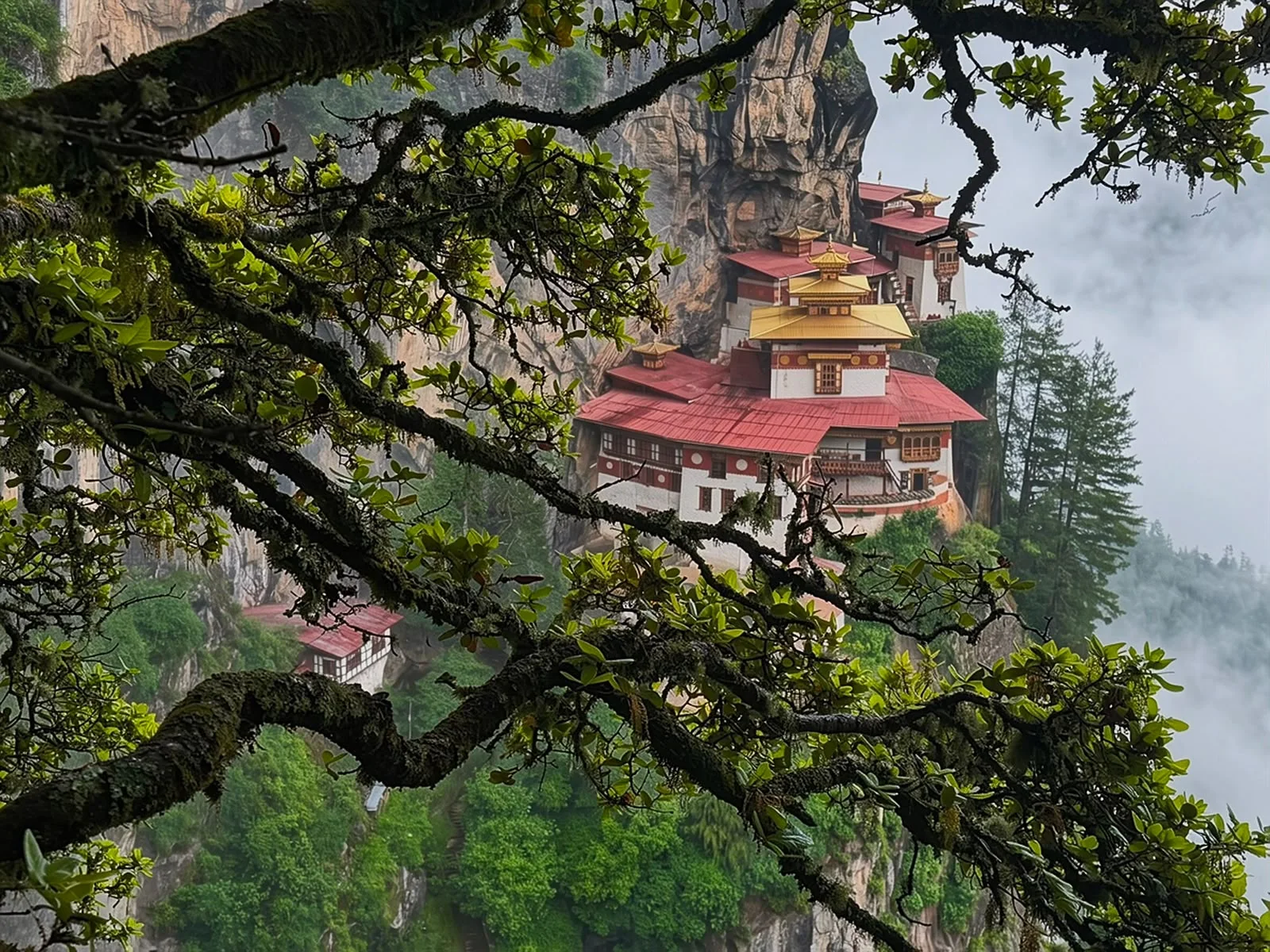
A Bhutanese monastery seen through a mountain forest
BhutanMountain landscape
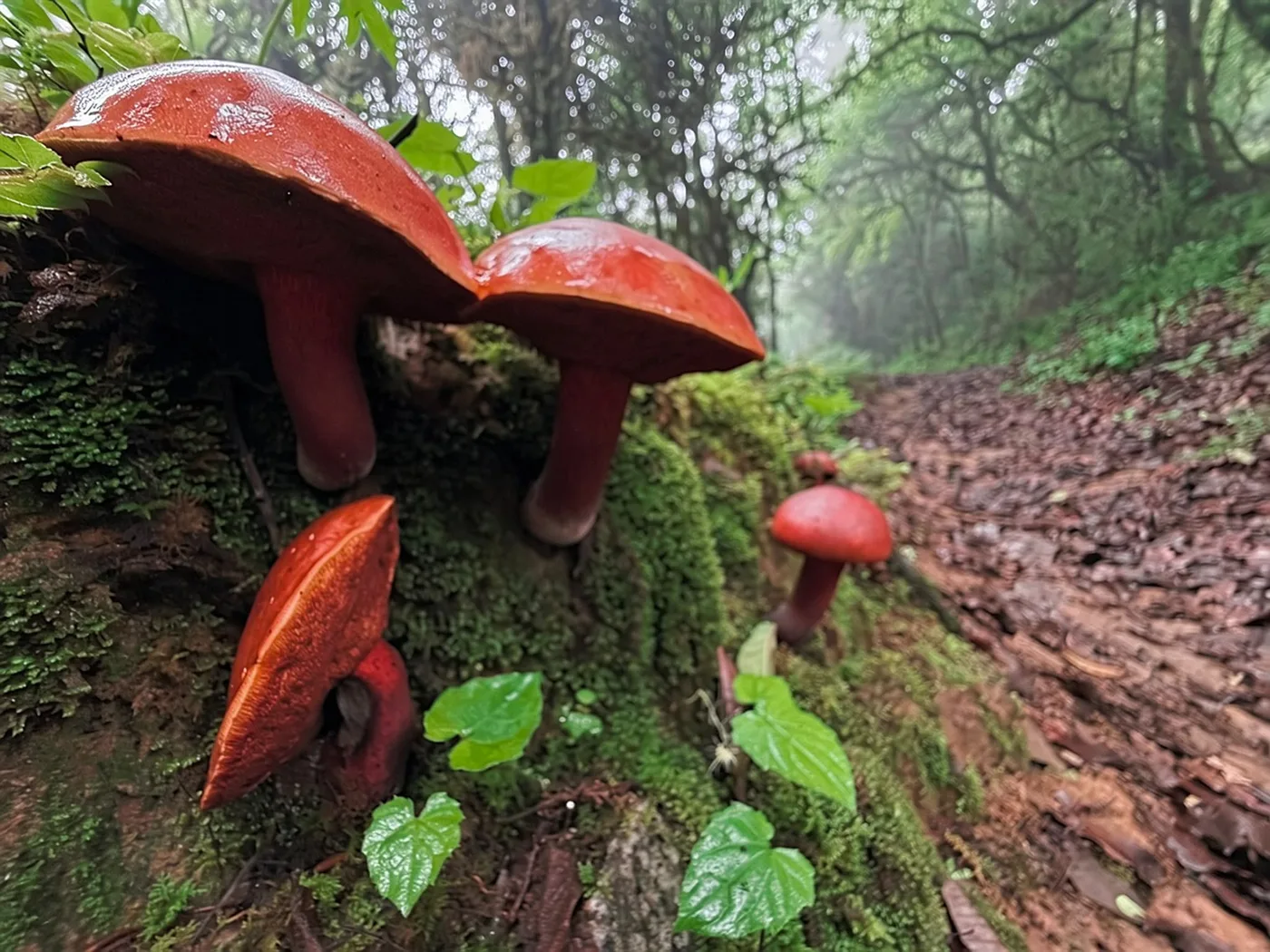
Red fungi growing on a rainforest floor
Field ecologyLiving systems
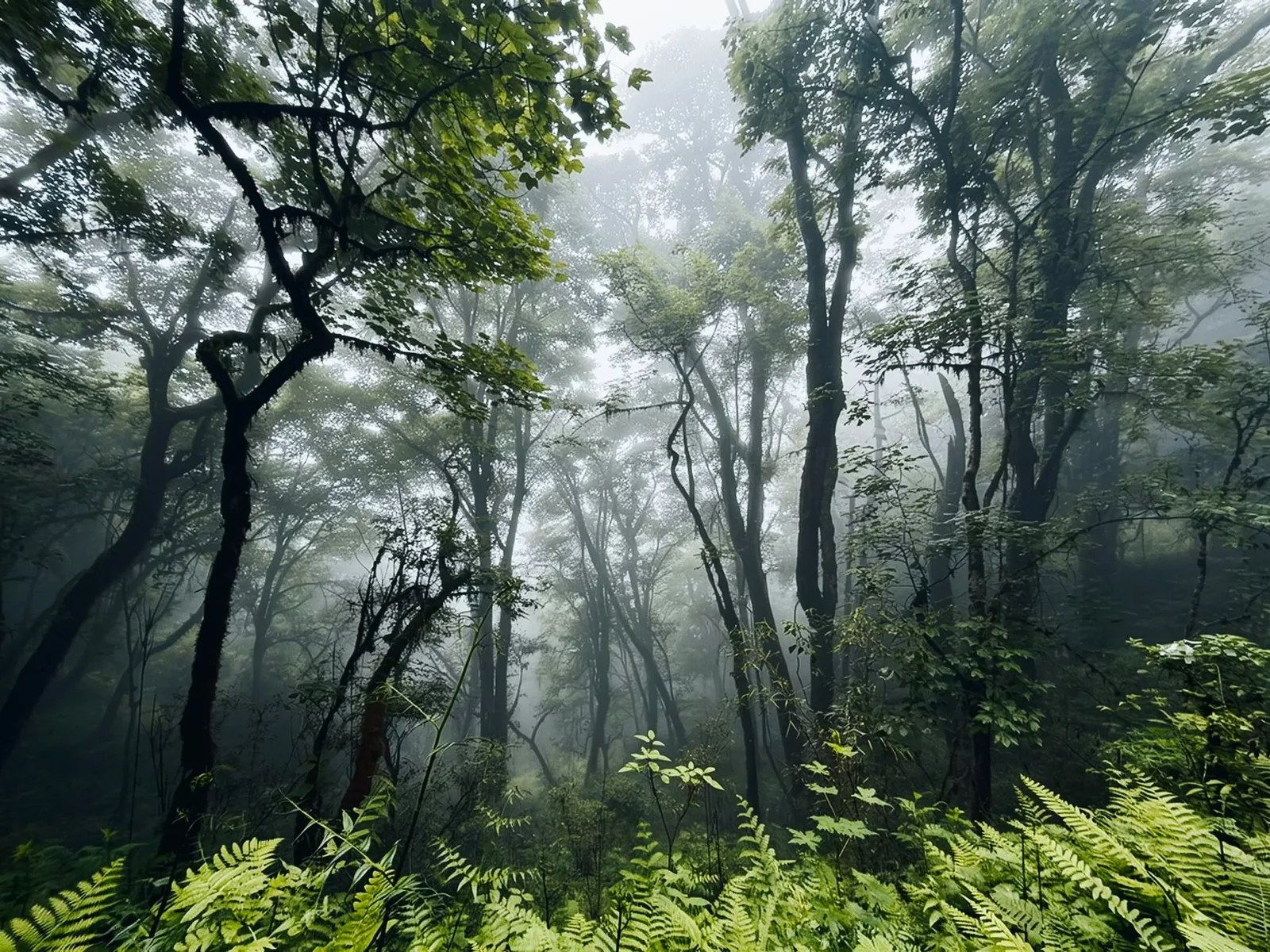
Dense rainforest vegetation in mountain mist
RainforestEnvironmental research
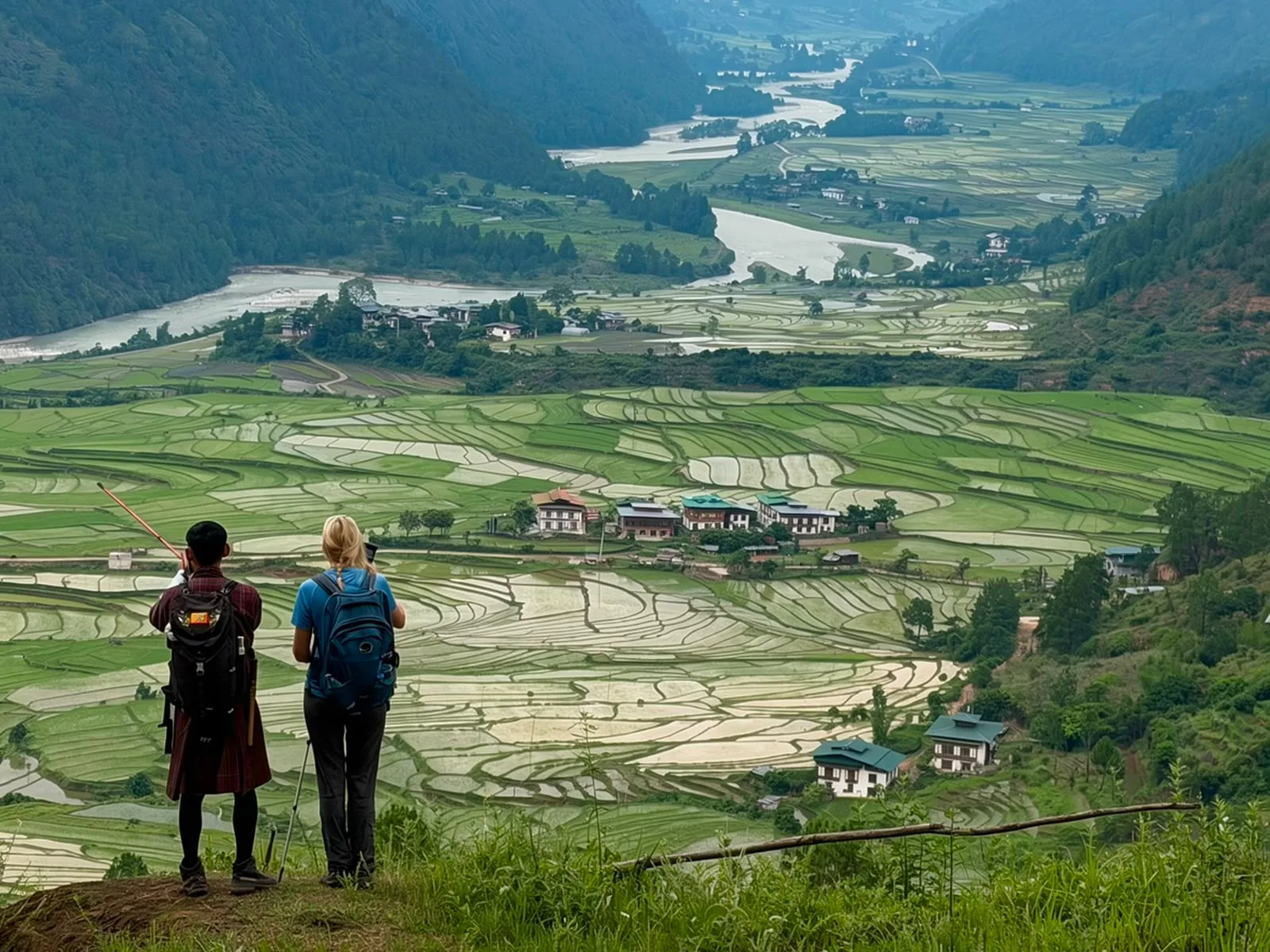
A green mountain valley with terraced fields and a river
Valley systemsMountain river landscape
// 05, The expedition series

Connected chapters in a much larger story.

Two environments, two related sets of questions, and the chapters still to come.

// 06, Partnerships

Traverse does not impose an agenda. Each expedition is shaped around the host nation's ambitions, local value, global relevance.

We work with governments and royal offices, universities and research institutions, foundations, sponsors and cultural partners.

Through World Extreme Medicine, Traverse draws on a global network of clinicians, scientists, educators and operational leaders across expedition, humanitarian, mountain, disaster, space and military medicine.

Start a conversation
// 07, The credibility engine

Traverse Expeditions takes knowledge to the edge. Traverse takes it into the field.

Three connected organisations, each with a distinct role. Together they connect proven expertise and practical field delivery with long-term expedition research.

01 · Expedition platform

Traverse Expeditions

Builds science-led expedition programmes with host nations, translating fieldwork into research, education and lasting local value.

02 · Expertise and network

World Extreme Medicine

Brings extreme-medicine education, clinical leadership and a global community experienced in remote and high-risk environments.

03 · Humanitarian impact

WEMfund

Applies the partnership model in humanitarian settings through frontline medical support, locally shaped training and measurable delivery.

40+years leading expeditions in remote, austere and high-risk environments
20,000+clinicians trained through World Extreme Medicine across 40+ nations
£106m+raised for charity through Across the Divide expeditions
01Go where medicine is hardest
02Partner, never impose
03Train the trainers
04Measure and prove
05Bring the lessons home
// 08, Legacy

Every expedition should be remembered not for where it went, but for what it left behind.

Traverse explores the world's most challenging environments to uncover what they can teach us about medicine, resilience, leadership, wellbeing and human adaptation, ensuring that every expedition leaves a lasting legacy for the people and places that make it possible.

Training programmesResearch outputsScientific datasets Healthcare capabilityEducation resourcesLocal partnerships Conservation awarenessYouth engagementFilms & exhibitions Academic collaborationRemote healthcare models

“Where humanity goes, medicine must follow.