Chapter 01 · Explorers Club Flag Expedition, Jordan & Saudi Arabia

The Nabataean Traverse

A 650 km, ~40-day cross-border transect, on foot and by camel, along the ancient incense-trade corridor, from the Dana Biosphere Reserve through Petra and Wadi Rum to Hegra and AlUla, linking three UNESCO World Heritage sites across two kingdoms.

Transect650 km · ~40 days
ModeOn foot & by camel
WindowFebruary–March 2027
RecognitionExplorers Club Flag
// 01, Why this country

The story is not walking from Petra to AlUla. The story is what an ancient desert civilisation can teach us about survival, water, movement, health and resilience today.

The Nabataeans engineered water, trade and life across one of Earth's harshest corridors. Their route is now a natural laboratory, for microbiology, heritage science, human physiology and the future of planetary exploration.

The expedition is built with and for its hosts, an Explorers Club Flag Expedition running from the Dana Biosphere Reserve to the Prince Mohammed bin Salman Royal Reserve: heritage, conservation, Vision 2030, the Hashemite centenary, youth engagement, eco-tourism and scientific capacity across both kingdoms.

// 02, The transect

An ancient corridor, read as a scientific instrument.

JORDAN · SAUDI DANA BIOSPHERE · START PETRA UNESCO · 30.33°N WADI RUM UNESCO HISMA PLATEAU TABUK PROVINCE HEGRA · ALULA UNESCO · 26.79°N
Field perspective

Stone, sky and the ancient corridor.

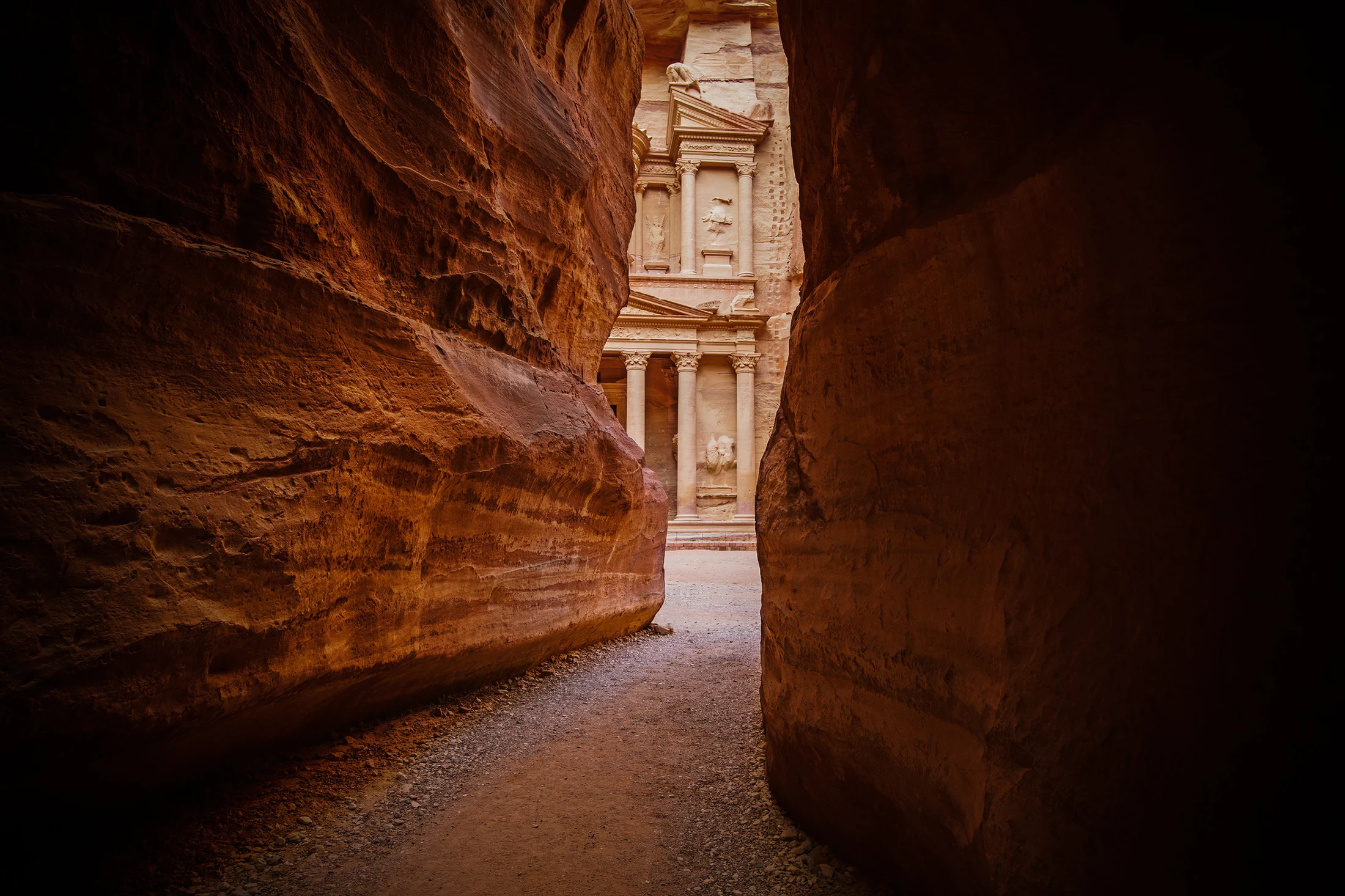
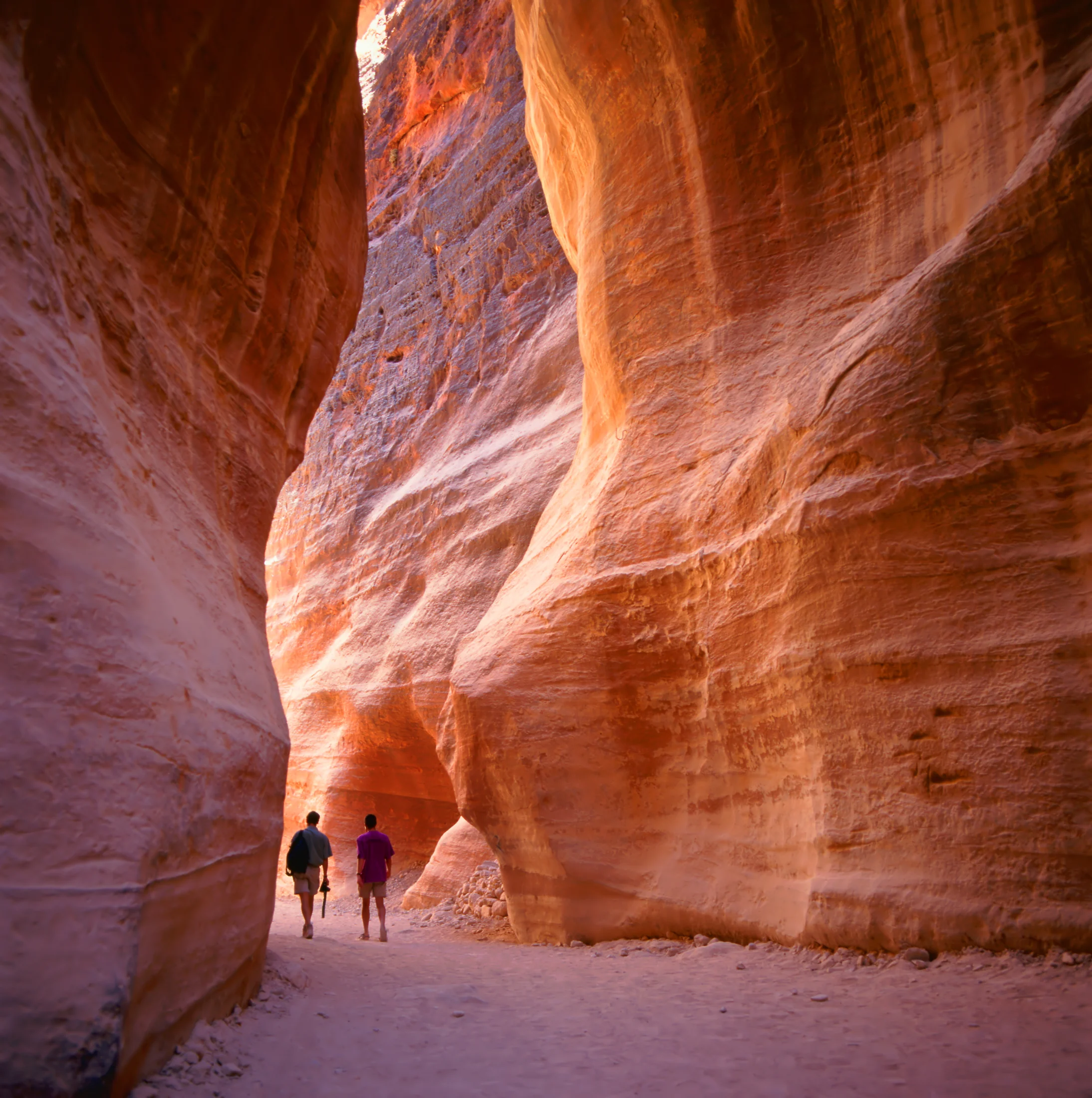
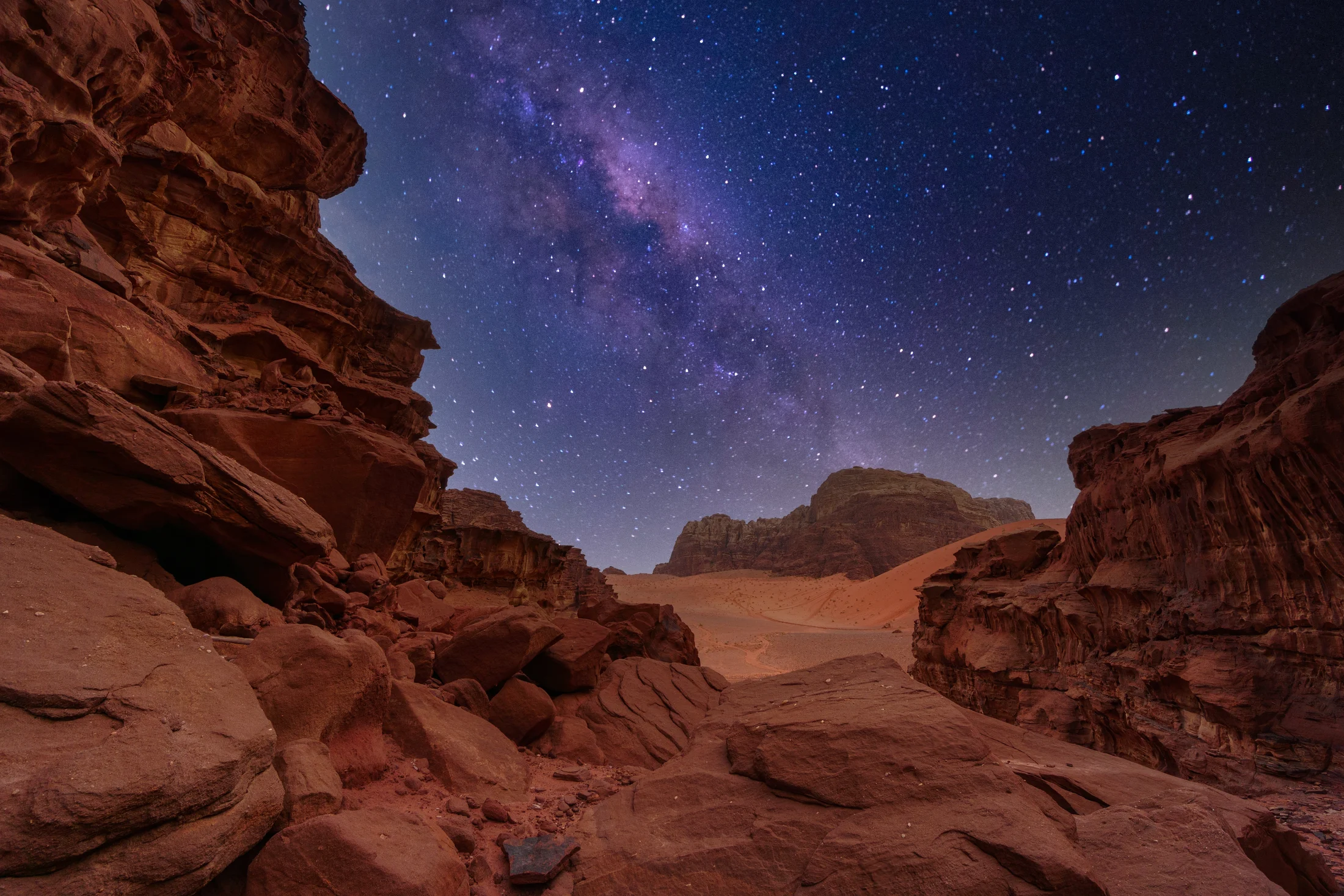
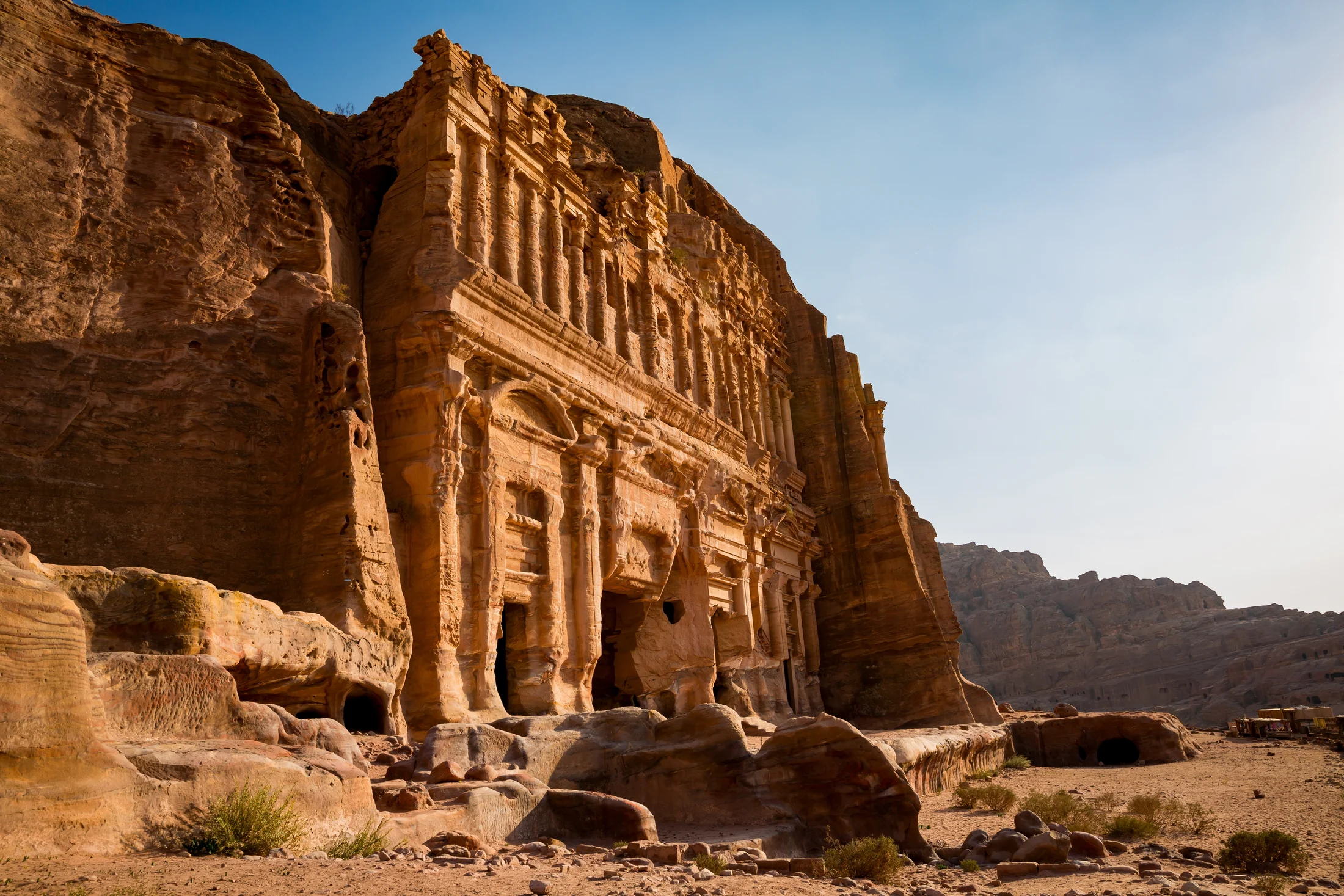
Landscapes along the Nabataean route, from Petra's carved sandstone to the open night sky of Wadi Rum.

The Treasury at Petra seen through the narrow sandstone walls of the Siq
Petra through the Siq
Two people walking through a monumental sandstone passage at Petra
Movement through sandstone
The Milky Way above the sandstone formations and desert floor of Wadi Rum
Wadi Rum after dark
The rock-cut Monastery at Petra illuminated by warm desert light
The Monastery at Petra
// 03, Core scientific questions

What the desert is asking.

// 04, Field activities

Eight disciplines, one moving laboratory.

Extreme microbiology

Extremophile research at the biological limits of heat, salinity and drought.

Desert ecology

Biodiversity monitoring across a rarely-surveyed hyper-arid transect.

Geology & volcanology

Landscape evolution along the harrat lava fields and sandstone canyons.

Heritage science

Nabataean route reconstruction, water engineering and settlement analysis.

Remote sensing & AI

Mapping and drone-supported survey feeding open scientific datasets.

Human performance

Heat adaptation and field physiology measured throughout the traverse.

Space analogue science

Desert operations coordinated with the NASA Astronaut Office, with testbed potential for Saudi Space Agency research.

STEM education

Live school engagement and classroom link-ups from the field.

// 05, Education & outreach

A live classroom across two kingdoms.

E·01

Live from the corridor

Daily field science updates and Q&As streamed to schools in Saudi Arabia, Jordan and worldwide.

E·02

Youth in the field

Saudi and Jordanian students join sampling and survey work, building regional scientific capacity.

E·03

Heritage storytelling

Films, VR experiences and exhibitions bringing the Nabataean world to new generations.

// 06, Outputs & legacy

What the traverse leaves behind.

1M+people reached through public outreach and media
15,000+students in live school link-ups
10+peer-reviewed papers with host-country institutions
3UNESCO World Heritage sites, Petra, Wadi Rum & Hegra

Expected outputs

  • Peer-reviewed research across microbiology, physiology and heritage science
  • Open scientific datasets from a rarely-studied desert transect
  • Reconstructed Nabataean route corridor and water-engineering record
  • Space analogue protocols for austere-environment operations
  • Documentary film and exhibitions in Amman, Riyadh, New York and London

Host-country legacy

  • Saudi Vision 2030, heritage, conservation and scientific capacity
  • Jordan, Hashemite centenary, tourism and green-growth strategies
  • A pilot Petra–Hegra Heritage Trail for future eco-tourism
  • Enduring partnerships in Riyadh, AlUla and Amman
  • Regional pride in a shared Nabataean story
Next chapter, 02 The Bhutan Traverse